
Imagine waking up to the sound of waves crashing instead of an alarm clock blaring. Picture sipping coffee in a bustling market in Bangkok or hiking through the breathtaking landscapes of Patagonia—all while working remotely. Becoming a nomad isn’t just a dream; it’s a lifestyle that’s more attainable than you think.
Understanding Nomadic Lifestyles
Nomadic lifestyles offer freedom and adventure, often attracting individuals seeking flexibility in their daily routines. Exploring the definition and types of nomads reveals the diversity within this lifestyle.
Definition of a Nomad
A nomad is a person who regularly moves from one place to another instead of settling permanently. Nomads typically travel for work, leisure, or exploration purposes. Many modern nomads leverage technology to maintain their careers while embracing movement. This flexibility allows them to adapt to different cultures and environments, enriching their experiences. Nomadic living emphasizes a minimalist approach, focused on experiences rather than material possessions.
Types of Nomadic Lifestyles
Several types of nomadic lifestyles exist, catering to various preferences and needs. Digital nomads work remotely, using technology to connect with clients or employers from anywhere in the world. Adventure nomads prioritize thrill-seeking activities like hiking, biking, or surfing in different locations. Cultural nomads immerse themselves in new traditions and societies, often spending extended periods in specific areas to engage more deeply. Lastly, families can adopt nomadic lifestyles, allowing children to experience diverse cultures and education styles. Each type of nomad contributes uniquely to their environments while shaping their identities through travel.
Preparing for the Transition
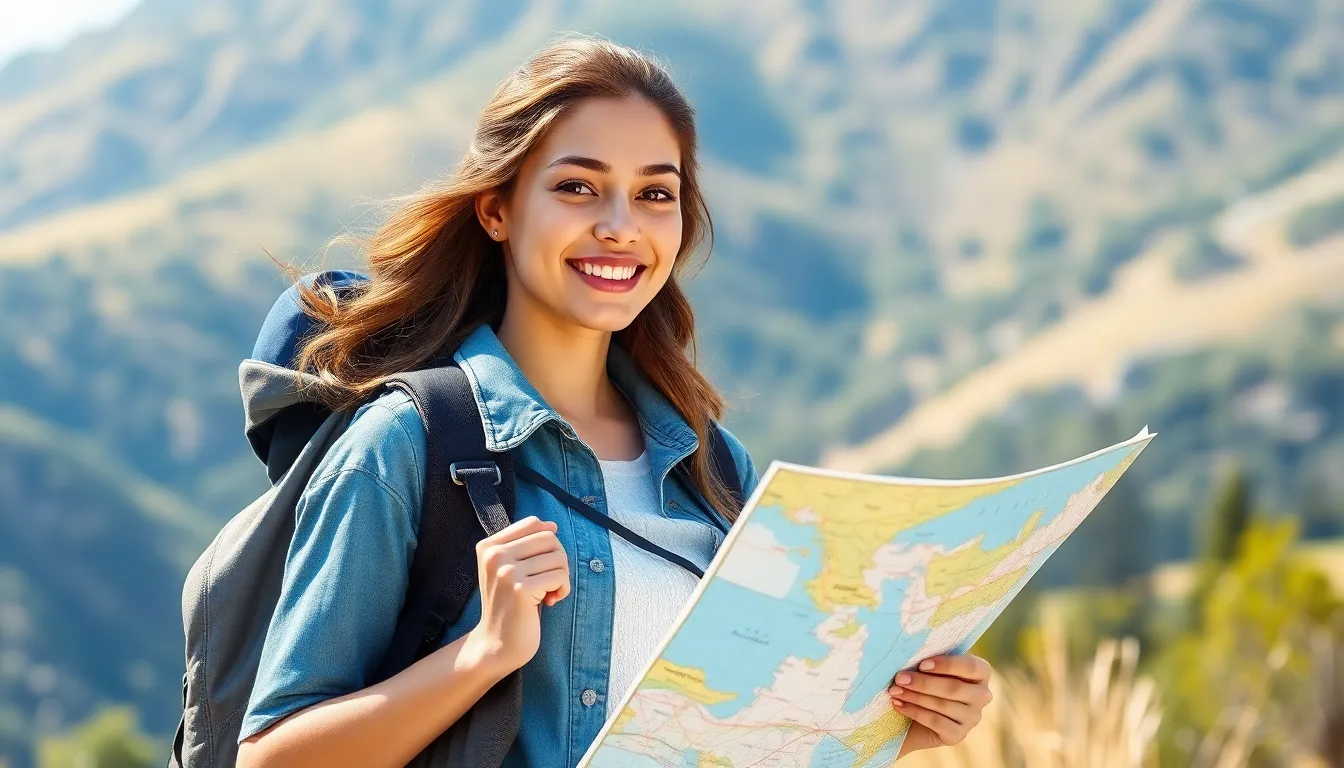
Preparing for a nomadic lifestyle requires careful planning and self-reflection. Individuals must evaluate their current circumstances to ensure a smooth transition.
Assessing Your Current Situation
Identifying personal goals and motivations simplifies the transition process. Individuals should examine their job flexibility, personal relationships, and commitments to understand better their ability to embrace a nomadic lifestyle. Evaluating living arrangements and their suitability for travel helps clarify what needs to change. Reviewing essential skills, resources, and experiences contributes to a successful move. Considering potential challenges allows for informed decision-making. Gathering feedback from current nomads can provide valuable insights about their journeys and adjustments.
Financial Considerations
Budgeting for a nomadic lifestyle necessitates thorough financial planning. Evaluating existing savings and income streams identifies what funds are available for travel and living expenses. Creating a detailed budget helps allocate funds effectively for housing, transportation, food, and other necessities. Understanding the cost of living in various destinations enables better financial decisions. Developing a plan for income generation through remote work or freelance opportunities can sustain long-term travel. Setting aside an emergency fund ensures financial stability in case of unexpected situations.
Essential Skills for Nomadic Living
Nomadic living requires specific skills to navigate the unique challenges and opportunities it presents. Individuals must develop competencies that enhance both work and travel experiences.
Remote Work Opportunities
Securing remote work opportunities is crucial for digital nomads. Many professions, such as software development, graphic design, and online marketing, offer flexible arrangements. Committing to platforms like Upwork, Freelancer, or Remote.co can lead to fruitful gigs. Building a personal brand, showcasing skills through portfolios, and networking with other professionals also increase chances of finding remote work. Familiarity with tools like Slack, Zoom, and Trello enhances collaboration across distances. Prioritizing skill development will keep individuals competitive in the evolving job market.
Time Management Strategies
Mastering time management strategies significantly affects a nomad’s lifestyle. Setting boundaries can help maintain a balance between work and travel. Creating daily or weekly schedules organizes tasks effectively. Prioritizing high-impact items ensures essential responsibilities get accomplished first. Utilizing tools like Google Calendar or Todoist aids in tracking deadlines and appointments. Adapting to varied time zones enhances productivity and reduces stress. Embracing flexibility within structured plans encourages a more enjoyable nomadic experience.
Choosing Your Destinations
Choosing destinations is crucial for a successful nomadic lifestyle. Consider factors like cost, connectivity, and culture when selecting locations worldwide.
Factors to Consider
Budget constraints play a significant role in destination choices. High living costs can limit options, while affordable locations can extend travel durations. Connectivity is essential as access to reliable internet enables remote work. Considering time zones helps maintain work-life balance and communication with teams. Safety conditions are equally important; travelers should seek destinations with low crime rates and good healthcare infrastructure. Lastly, cultural opportunities provide enriching experiences, as engaging with local customs enhances the nomadic journey.
Popular Nomadic Locations
Southeast Asia emerges as a favorite for budget-conscious nomads, with countries like Thailand and Vietnam offering low living expenses and vibrant communities. Lisbon, Portugal, attracts many travelers due to its favorable weather and rich history. Mexico, especially places like Tulum and Playa del Carmen, combines beautiful beaches with thriving digital nomad communities. Eastern Europe features cities like Budapest and Krakow, known for cost efficiency and a lively atmosphere. Remote locales such as Bali in Indonesia provide not just scenic landscapes but well-established coworking spaces to accommodate diverse professional needs.
Maintaining a Nomadic Lifestyle
Maintaining a nomadic lifestyle requires careful consideration of practical aspects. Connectivity and health play crucial roles in ensuring a smooth experience.
Staying Connected
Staying connected enhances both work efficiency and social interactions. Internet access ranks as a vital factor, especially for digital nomads. Many co-working spaces provide reliable Wi-Fi, fostering productivity. Utilizing mobile hotspots can serve as a backup option while traveling. Social media platforms also help in maintaining relationships and discovering local events. Engaging with online nomadic communities offers support and valuable resources. Regularly investing in tech tools like portable chargers ensures devices remain functional throughout the journey.
Health and Safety Tips
Health and safety remain paramount in nomadic living. Regular health check-ups before departing help identify any underlying issues. Carrying medication and understanding local healthcare options can safeguard against emergencies. Researching local safety conditions ensures informed decisions about destinations. Maintaining a balanced diet and exercising regularly contribute to overall well-being. Practicing good hygiene and staying informed about health risks in specific regions protects against illnesses. Additionally, obtaining travel insurance covers unforeseen medical expenses while traveling, providing peace of mind.
Embracing a nomadic lifestyle opens up a world of possibilities and adventures. It allows individuals to break free from conventional routines and explore diverse cultures while maintaining their careers. With careful planning and self-reflection, anyone can transition into this fulfilling way of life.
By prioritizing essential skills and securing remote work opportunities, aspiring nomads can thrive in various environments. Choosing the right destinations enhances the experience and fosters personal growth. Staying connected and prioritizing health ensures a sustainable nomadic journey.
Ultimately, becoming a nomad is about embracing change and savoring every moment on the road. With the right mindset and preparation, the dream of living a life of freedom and exploration can become a reality.