
Ever wondered what it’s like to live life on the move? Nomads have mastered the art of wandering, turning the world into their backyard. They’re not just backpackers with a penchant for overpriced lattes; they’re a diverse tribe of adventurers, digital nomads, and cultural explorers. From sipping chai in a bustling market to working remotely from a beachside hammock, they embrace a lifestyle that’s as fluid as their travel plans.
What Do Nomads Do: A Comprehensive Overview
Nomads engage in various activities that reflect their unique lifestyles. They thrive on the freedom of movement and the exploration of new environments. Many nomads work remotely, leveraging technology to maintain careers while traveling. Digital nomads often find themselves in coffee shops, co-working spaces, or scenic locations, balancing work and adventure.
Cultural exploration forms a significant part of a nomadic lifestyle. Nomads immerse themselves in different cultures, attending local festivals, market events, and social gatherings. They seek authentic experiences, such as trying regional cuisines and learning traditional crafts. This exploration fosters connections with diverse communities, enhancing their understanding of global cultures.
Travel planning can vary widely among nomads. Some prefer well-thought-out itineraries, while others embrace spontaneity, opting for a flexible schedule. They often rely on social media platforms and travel forums for recommendations, sharing insights and tips with fellow travelers. This exchange of information enriches their journeys and inspires new adventures.
In addition to work and exploration, many nomads prioritize wellness. Activities like yoga, hiking, and meditation become integral to maintaining a healthy balance amid constant change. By prioritizing physical and mental health, nomads adapt better to new environments and challenges.
Ultimately, nomads carve their paths, blending work and leisure while celebrating the world’s diversity. They embody a lifestyle rooted in freedom, connection, and continuous learning.
Types of Nomadic Lifestyles
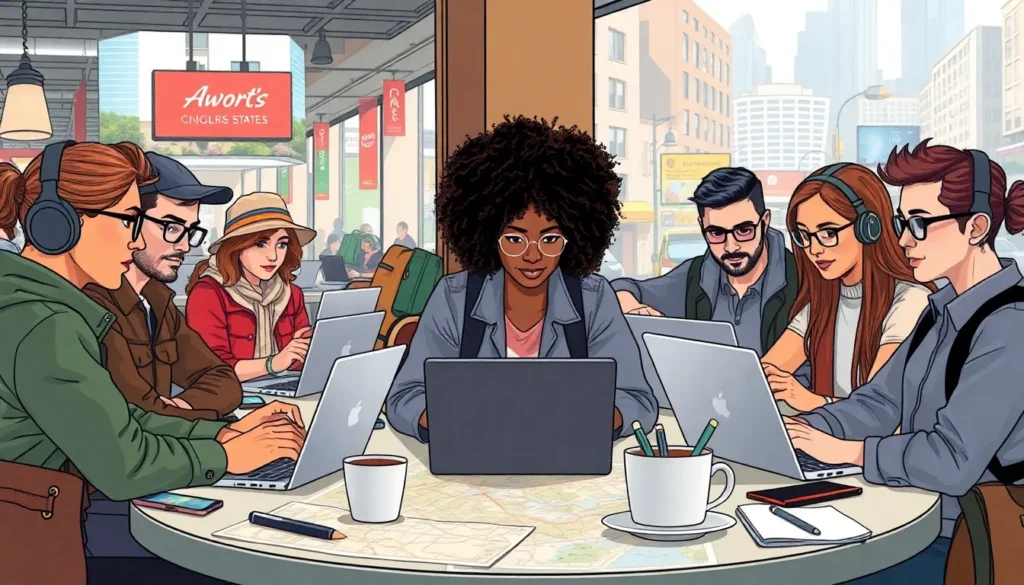
Nomadic lifestyles vary widely, reflecting the diverse choices and preferences of those who embrace this way of living. Two primary categories stand out: traditional nomads and modern nomads.
Traditional Nomads
Traditional nomads persist as part of unique cultures around the world. They often follow migration patterns based on seasonal changes, seeking resources like water and pasture for livestock. Examples include the Mongolian herders and Bedouin tribes in the Middle East. Many of these nomadic groups carry rich histories, maintaining customs and practices that connect them to their land. They rely significantly on communal resources, emphasizing sustainability and adaptation to environmental challenges. Each traditional community offers valuable insights into resilience and resourcefulness.
Modern Nomads
Modern nomads embrace flexibility and technology in their lifestyles. They often work remotely, utilizing the internet to sustain careers while exploring diverse locations. Common examples of modern nomads include digital nomads, freelancers, and travel bloggers. Many individuals prioritize experiences over possessions, frequently moving to new cities or countries. They engage in cultural exchanges, striving to understand local customs and traditions. Communities form around shared interests, often connected through social media. Each modern nomad adapts, creating unique routines that blend work, travel, and leisure seamlessly.
Daily Activities of Nomads
Nomads engage in various daily activities that reflect their unique lifestyles, blending work, exploration, and community building.
Work and Income Sources
Remote work stands as a primary income source for many nomads. They excel in fields like tech, writing, and design, taking advantage of digital connectivity. Coffee shops and co-working spaces often become temporary offices. Flexibility in work hours allows them to explore new locations while meeting professional obligations. Some create content for social media or travel blogs, sharing experiences with followers and monetizing their adventures. Others find seasonal work in hospitality, further supporting travel while immersing in local cultures. Diverse income streams enable nomads to travel freely while pursuing personal passions.
Social Structures and Communities
Social structures among nomads vary widely. Many form tight-knit communities through shared interests, connected via social media platforms. Online forums and local meetups offer valuable opportunities for networking and support. Festivals and workshops become avenues for interaction, encouraging friendships across cultures. Some nomads collaborate on projects, combining skills and ideas to enhance their experiences. Others volunteer in local initiatives, deepening their connection to the places they visit. A sense of belonging emerges from shared experiences and collective learning, enriching their nomadic journeys.
Cultural Practices Among Nomads
Nomads engage in diverse cultural practices that reflect their rich heritage and adapt to their dynamic lifestyles. This section outlines the language and communication methods, along with art and traditions that characterize nomadic communities.
Language and Communication
Language serves as a vital tool for nomads, facilitating interaction across various cultures. Many nomads develop multilingual skills, allowing them to communicate with local populations while traveling. Many in modern nomadic communities use technology to connect through social media. Apps and online forums often become platforms for sharing experiences and seeking advice on travel. In traditional nomadic groups, oral storytelling and local dialects nurture cultural identity and community ties. Additionally, shared interests often lead to collaboration on projects, reinforcing the bonds formed through language.
Art and Traditions
Art and traditions play crucial roles in the lives of nomads, often expressing their cultural identity and heritage. Various nomadic groups create unique crafts, including textiles, beadwork, and woodwork, reflecting their traditional practices. Participation in local festivals showcases their ability to celebrate customs and foster connections. Many nomads engage in music and dance, which act as mediums for storytelling and sharing experiences. Interactions with different cultures often lead to the blending of artistic styles, enriching their cultural legacy. Traditional ceremonies, often tied to seasonal changes, highlight the importance of communal life and sustainability among nomadic communities.
Challenges Faced by Nomads
Nomads encounter various challenges that impact their lifestyle, including environmental factors and legal issues.
Environmental Factors
Environmental factors create significant hurdles for nomads. Weather conditions often dictate travel plans, with heavy rains or extreme temperatures forcing changes. Access to natural resources also presents challenges, especially in remote areas where basic necessities may be scarce. Some nomads face the risk of natural disasters, which can lead to sudden relocations or disruptions in routine. Health considerations arise as well; living in varied climates can affect well-being. Climate change poses additional long-term threats, influencing migration patterns and habitats. Navigating these environmental challenges requires adaptability and resourcefulness.
Legal and Political Issues
Legal and political issues complicate the nomadic lifestyle. Many countries impose strict visa regulations, making long-term stays difficult. Compliance with local laws can become complex, particularly when working remotely. Property rights present additional challenges; some nomads find it hard to secure appropriate accommodations without stable addresses. Unforeseen political instability can affect freedom of movement, forcing nomads to alter their itineraries. Engaging with local authorities and understanding immigration policies is crucial for avoiding conflicts. Legal barriers may hinder participation in community activities and limit the full experience of cultural immersion.
Nomads embody a lifestyle that thrives on freedom and exploration. Their ability to blend work with adventure allows them to create unique experiences and foster connections across cultures. By embracing spontaneity and adaptability they navigate challenges while enriching their lives and the communities they engage with.
Whether it’s through remote work or cultural immersion nomads continuously redefine what it means to live authentically. Their journeys reflect a commitment to lifelong learning and a celebration of the world’s diversity. This dynamic way of life not only inspires others to seek their paths but also contributes to a greater understanding of global cultures.