
In a world where Wi-Fi is as vital as coffee, the term “digital nomad” has become a buzzword for the adventurous and the tech-savvy. Picture this: working from a beach in Bali one day and a cozy café in Paris the next. It sounds like a dream, right? Digital nomads have cracked the code to blending work and wanderlust, trading traditional office cubicles for stunning views and exotic locales.
Understanding the Digital Nomad Concept
Digital nomads embrace a lifestyle that allows them to work from any location with internet access. Flexibility defines their approach to work, as they often shift between countries and cities while pursuing their careers. Many digital nomads are freelancers, entrepreneurs, or remote employees who rely on technology to remain connected.
This lifestyle appeals to individuals who seek adventure and want to break free from conventional office settings. The allure of working in diverse environments, such as vibrant city streets or serene landscapes, enhances their work-life balance. Technology plays a critical role, enabling seamless communication and collaboration through tools like video conferencing and project management software.
Locations popular among digital nomads include international hubs like Chiang Mai, Bali, and Lisbon. Each of these cities offers unique amenities, coworking spaces, and a thriving community of like-minded individuals. Cost-effective living options further attract those looking to maximize their earnings while exploring new cultures.
Challenges exist for digital nomads, including varying time zones and potential isolation. Adapting to new environments requires resilience and adaptability. Many digital nomads find community through meetups and coworking spaces, which foster connections and offer networking opportunities.
Ultimately, being a digital nomad means balancing work responsibilities with the thrill of travel. This lifestyle continues to gain traction as more people seek the freedom to explore the world while pursuing their professional goals.
The Origins of Digital Nomadism
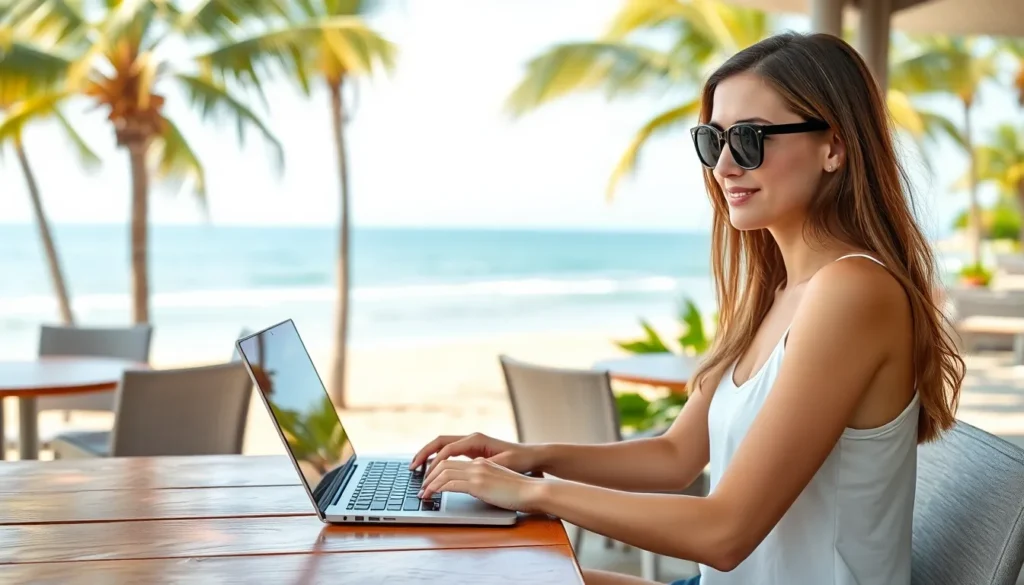
Digital nomadism has roots tracing back to the late 20th century, reflecting the evolution of work and travel.
Historical Background
The concept began gaining traction in the 1990s when advancements in personal computers and the internet allowed individuals to connect from almost anywhere. One notable inspiration came from early travelers who worked while exploring diverse cultures, leveraging innovative technologies. The rise of laptops and mobile phones enabled professionals to break free from traditional office environments. By the early 2000s, remote work began emerging as a viable option for a select group of entrepreneurs and freelancers seeking new lifestyles. These trailblazers showcased that work and travel could coexist, laying the groundwork for the digital nomad community.
Rise of Remote Work Technology
The proliferation of remote work technology fueled the growth of digital nomadism. A key advancement was the introduction of cloud computing, which allowed access to files and applications from any location. This technology sparked improvements in communication tools, like Slack and Zoom, enhancing collaboration across time zones. As Wi-Fi became more ubiquitous, working from cafes, co-working spaces, and beaches became increasingly feasible. The global shift towards remote work in the 2020s further accelerated this trend, with organizations adopting flexible policies. These developments empowered more people to embrace digital nomadism as a lifestyle choice.
Benefits of Being a Digital Nomad
Digital nomadism offers numerous advantages, particularly in flexibility and work-life balance. These benefits attract many individuals looking to break free from traditional work constraints.
Flexibility and Freedom
Flexibility defines the digital nomad lifestyle. Individuals can choose work locations based on personal preference. Locations range from tropical beaches to bustling city cafes. This freedom leads to optimized productivity as new environments often inspire fresh ideas. Additionally, nomads set their own schedules, allowing them to work during their most productive hours. This independence fosters creativity and motivation, making the workday enjoyable. Ultimately, flexibility empowers individuals to curate their ideal work and life experience.
Work-Life Balance Enhancements
Enhancements in work-life balance significantly benefit digital nomads. With the ability to travel, individuals immerse themselves in diverse cultures while maintaining professional responsibilities. Exposure to new experiences increases overall satisfaction and well-being. Networking opportunities arise in vibrant communities, further enhancing personal and professional relationships. Balance between work and leisure helps reduce burnout and increase job satisfaction. Engaging in local activities during downtime promotes a sense of fulfillment. These factors contribute to a harmonious lifestyle where work and personal interests coexist seamlessly.
Challenges Faced by Digital Nomads
Digital nomads encounter various challenges while embracing their lifestyle, from dealing with isolation to navigating legal and financial matters.
Dealing with Isolation
Isolation presents a significant challenge for digital nomads. Working remotely in different countries can lead to feelings of loneliness, especially in unfamiliar environments. Many struggle to establish deep connections with others, impacting their overall well-being. Finding community becomes essential; participating in local meetups or engaging with coworking spaces can mitigate loneliness. Building relationships through online communities helps some combat isolation too. Understanding the importance of social interaction contributes to a healthier nomadic lifestyle.
Legal and Financial Considerations
Legal and financial factors pose challenges for digital nomads. Navigating visa regulations requires careful planning, as each country has unique entry requirements. Failure to comply can result in penalties or travel disruptions. Managing finances while traveling also becomes complex. Nomads must consider currency exchange rates, local banking regulations, and tax implications in various jurisdictions. Maintaining accurate records of income and expenses simplifies tax filing processes. Being aware of these considerations ensures compliance and financial stability while enjoying a nomadic lifestyle.
How to Become a Digital Nomad
Becoming a digital nomad requires specific skills and the right tools to thrive in diverse work environments.
Skills and Tools Needed
Strong time management skills provide the foundation for productivity while balancing work and travel. Familiarity with digital communication tools, including Slack and Zoom, enhances collaboration with teams worldwide. Flexibility in adapting to new situations fosters resilience in various locations. Proficiency in self-discipline promotes consistency in work habits, essential when traveling. Essential tools like a reliable laptop, portable Wi-Fi hotspots, and productivity apps streamline daily tasks. Adapting to different time zones effectively allows for smoother work-life integration.
Tips for a Successful Transition
Setting clear boundaries between work and personal life creates a structured routine. Researching destinations based on reliable internet access and coworking spaces proves crucial for maintaining productivity. Joining expatriate groups or local communities facilitates essential networking opportunities. Starting with short trips allows gradual acclimation to the digital nomad lifestyle. Experimenting with different work environments encourages finding the ideal balance between exploration and productivity. Embracing a mindset of openness to new experiences enhances personal growth during the journey.
The digital nomad lifestyle represents a remarkable shift in how individuals approach work and travel. By blending professional responsibilities with the freedom to explore the world, it offers a unique way to enrich both personal and professional lives. While challenges exist, the rewards of flexibility, creativity, and cultural immersion make it an appealing choice for many.
As technology continues to evolve and remote work becomes more mainstream, the trend of digital nomadism is likely to grow. Those who embrace this lifestyle not only gain new experiences but also foster connections that transcend borders. Ultimately, the journey of a digital nomad is about finding balance and fulfillment in a world full of possibilities.